Review: One Battle After Another
2025 / Paul Thomas Anderson
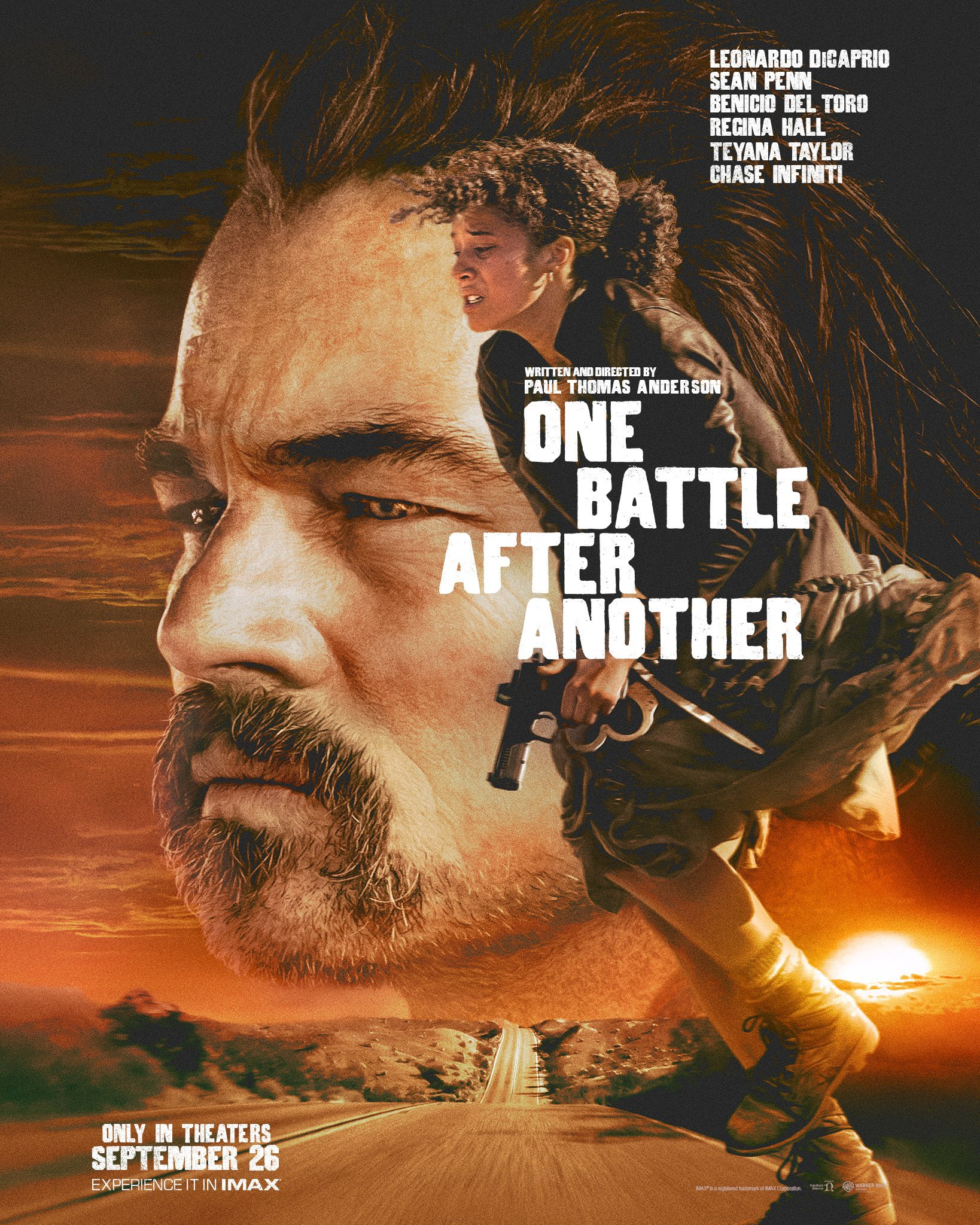
It wasn’t until deep into the second act of this almost three hour epic, when Chase Infiniti’s character is shepherded into the temporary safety of the hidden rebel base, that I realized I was watching a Star Wars movie. I mean that with the highest compliments.
OBAA is a hard film for me to get my head around. On paper it neither feels all that complex nor even like a film I’d usually connect all that well with. A former revolutionary is forced to evade a fascist military force while searching for his daughter who’s been kidnapped by a grotesque villain. It’s the kind of story I’d expect from a direct-to-streaming action movie, not a film widely lauded as the best of the year.
This isn’t my favorite film of the year but I can comfortably call it a masterpiece and it’s such with me more than most in the week since I saw it. But why is that?
Much of its impact is owed to its incredibly tight pacing. The film is almost three hours long but not once did I wonder when it was going to wrap up. I’m not fluent enough in the technical craft of editing and screenwriting to say how he does it, but PTA has found a way to magnetically glue my eyes to the screen.
I recently learned that one of the Coen brothers said that a director’s job comes down to “tone management”. I’m not sure if that’s true of every director and every picture, but it was definitely a major factor in this one. In every scene PTA had me unsure where we were going next. Scenes that start tense and sinister give way to absurdist humor, while humorous scenes give way to quiet moments of heart. There’s a sense of genuine horror when Sean Penn’s Colonel Lockjaw is ushered into a meeting with a secret cabal of white supremesists who we come to realize control this world only to learn that they call their secret society the Christmas Adventurers and that their mission is to fight “dangerous lunatics, haters, and punk trash.” It’s not that the film shifts tones in these moments, it’s that PTA finds a way for these incongruous tones to exist simultaneously. It creates and uncanny feeling for the audience and underlines a theme of the movie: tragedy is farce and farce is tragedy.